
Somewhere between your third look at a prix fixe tasting menu and your second visit to a restaurant that describes itself as “artisanal” on every surface, you start craving something different. Not simpler exactly, but realer. That’s the precise moment the Midwest supper club stops being a nostalgia trip and starts being the smartest decision you’ll make all weekend. These places have outlasted every dining trend of the last century. There’s a reason for that, and it goes well beyond the prime rib.
Where the Supper Club Actually Came From
The supper club as a format grew out of the 1930s and 1940s, when rural communities across the Upper Midwest had limited nightlife options. When the first ones began popping up in those decades, they were often destination restaurants offering drinks, dinner, and entertainment. They weren’t trying to be fine dining in the white-tablecloth sense. They were trying to give working families a proper occasion. A place to mark something.
As explained in Minnesota Eats Out: An Illustrated History, supper clubs were the “country cousins” of urban nightclubs, delivering a similar experience in a more casual package: large steaks, all-you-can-eat walleye, potato gratin, and post-dinner dancing. That description still fits most of the good ones. The formula didn’t need fixing.
What’s remarkable is the social logic embedded in the concept from day one. In The Supper Club Book: A Celebration of Midwest Tradition, author Dave Hoekstra writes, “The supper club is about the longing for belonging.” That’s not a marketing line. That’s an honest description of why people drove 40 minutes down a county highway to eat somewhere that could have been replicated closer to home. The drive was part of the deal.
What Actually Separates These Spots From a Regular Restaurant
Not every restaurant with a relish tray earns the supper club label. The real ones share a handful of traits that you either feel immediately or don’t feel at all.
The hallmarks of a traditional supper club include prime rib specials, family recipes, and service from professionals who’ve been in the industry for decades. And unlike Wisconsin, where much of the supper club experience is tied to the bar, Minnesota supper clubs often separate drinking and dining. That distinction matters. The pacing is completely different. You settle in rather than rush through.
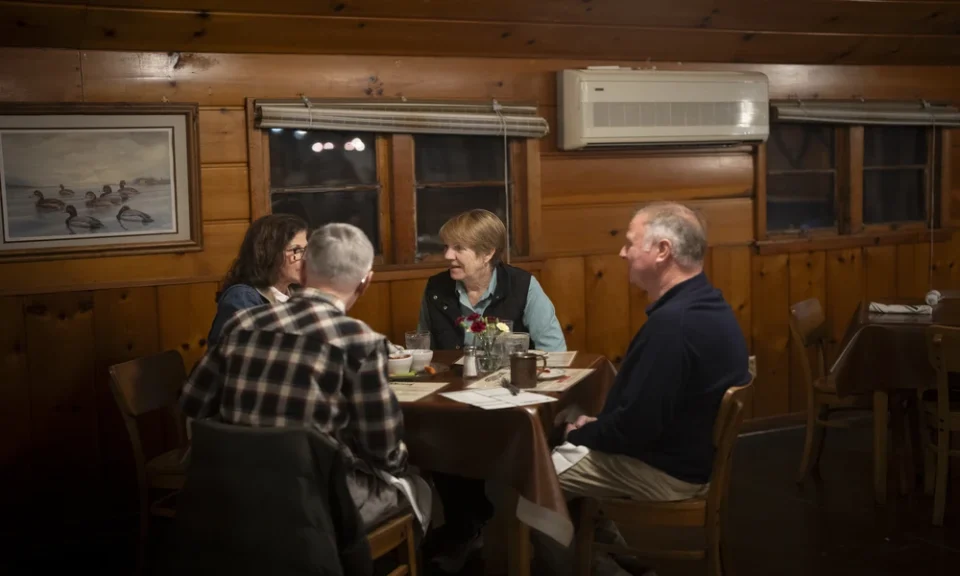
The staff is the other thing. The best supper clubs are run like family, with family photos on the walls, vintage carpets that still look fresh, and a room staffed with hospitality professionals who remember faces from proms, wedding receptions, and anniversaries. That’s not something a new restaurant can manufacture. It accumulates over decades.
My honest take: if you walk in and the server has worked there longer than most of your friendships, you’re in the right place.
The Data Behind the In-Restaurant Revival
Here’s something the supper club crowd already knew before the surveys caught up: people want to actually be somewhere when they eat.
In a 2024 national survey by US Foods, 55% of consumers said they prefer dining out at restaurants rather than ordering takeout or delivery, a sharp increase from the 43% who favored dining out in 2023. That’s not a blip. It suggests that as pandemic-era habits recede, the social and experiential draw of restaurants is reasserting itself. The supper club has always been the clearest expression of that draw, years before anyone packaged it as “experiential dining.”
For context on the broader industry, the Auguste Escoffier School of Culinary Arts reported in 2025 that the average monthly restaurant spend per American diner reached $191 in 2024, up from $166 in 2023, citing the same US Foods Diner Dispatch survey. People are spending more and choosing the table over the delivery bag. Supper clubs, which were built around the idea that dinner deserves your full attention, were ahead of this curve by about 80 years.
| What Diners Want | What Supper Clubs Deliver |
|---|---|
| Atmosphere and ambiance | Decades-old decor with genuine character |
| Socialization and occasion | Built for celebrations, never transactional |
| Consistency and trust | Menus and staff with years of institutional memory |
| Value at a higher price point | Generous portions, unhurried pacing, no upsell pressure |
The Four-Question Supper Club Selector
Not every outing calls for the same kind of place. Here’s a practical framework I’d call the Four-Question Selector. Run through it before you book:
- What’s the occasion? A big anniversary deserves a full supper club evening, unhurried, with dessert that comes in a glass. A casual Friday with friends can do the same menu faster.
- How far will you drive? The best supper clubs are rarely right around the corner. If you’re willing to make the drive an event, the experience rewards you for it. If you’re not, pick somewhere closer and adjust expectations.
- Do you want live entertainment? Some still offer it. Some don’t. Know before you go, especially if that’s a draw for your group.
- Are you a regular or a first-timer? First-timers should order the prime rib or the walleye and nothing else on the first visit. Get a read on the kitchen before you explore the menu edges.
Run those four and you’ll arrive with the right mindset and the right order in mind. That alone makes the night work better.
Minnesota Keeps the Flame Burning
The comfort of a Minnesota supper club is a little different from those of its brandy-marinated neighbor to the east, but no less special. They are living history thriving in a modern dining era. The state has a concentration of these places that you won’t find outside the Upper Midwest, and the ones that have survived decades of turnover in the restaurant industry have done so by staying exactly who they are.
That stubbornness is admirable. More than half of Minnesota businesses said in a recent survey that both profits and foot traffic were down year over year in 2025, according to an April 2026 report from industry group Hospitality Minnesota. The Federal Reserve Bank of Minneapolis documented in 2024 that rising costs of goods and services were the top business challenge cited by 60% of Minnesota hospitality operators. The places still standing in that environment have earned your dinner.
The Star Tribune noted in late 2025 that Minnesota’s supper club scene runs from Pequot Lake to Austin, anchored by popovers, prime rib, and relish trays that haven’t changed in 40 years. That consistency isn’t a failure of imagination. It’s a promise kept. If you’re planning a night out in the southern Twin Cities area, the Lakeville dining scene carries that same spirit, with fine dining options that honor the supper club tradition while adding their own local character to the table.
One More Thing Before You Book
The supper club tradition survives because it was never about novelty. It was about giving people a reason to sit across from someone they care about and stay awhile. Every food trend of the last decade has circled back to that same idea and called it something new. The supper club just never left.
Pick a place with history. Order the thing it’s known for. Make the drive. You’ll understand the loyalty the moment the backlit sign appears at the end of the road.
