
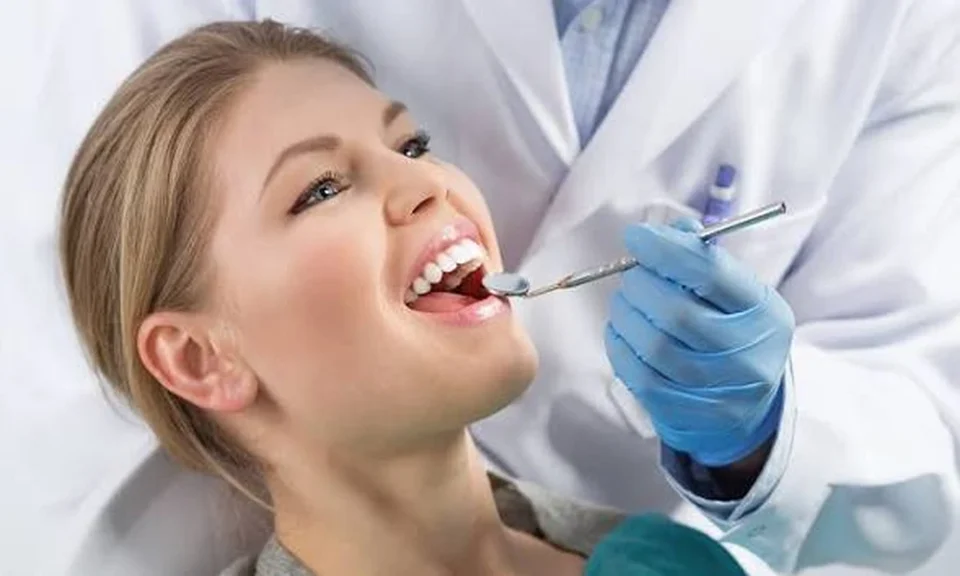
You remind your kids to brush, buy the toothpaste they like, and try to keep snacks from turning into an all day sugar cycle. Then life happens. Bedtime runs late, school mornings feel rushed, and one skipped brushing turns into a pattern. If that sounds familiar, you are not careless. You are dealing with the same friction most families face when they try to build steady routines at home, and personalized dental treatment in West Newton can help support those efforts.
That is where family dentistry helps in a way many parents do not expect. A family dentist does more than clean teeth and fill cavities. Regular visits give your household a rhythm, clear advice that fits each age, and outside reinforcement that often lands better than another reminder from mom or dad. Over time, those visits can shape daily habits that stick.
Family dental care gives structure to habits that often slip at home
Children usually do better with routines when they hear the same message from more than one trusted adult. A family dentist becomes part of that circle. When your child hears that brushing twice a day protects their teeth, flossing keeps food from sitting between them, and water is better than frequent juice or soda, the advice starts to feel real. It is not just a house rule anymore. It is part of how they care for their body.
The same goes for adults. Many parents put their own dental care last, especially when work, school pickups, and household costs stack up. A family practice makes it easier to schedule everyone in one place, and that convenience matters. When children see you show up for cleanings and ask questions about your own teeth, they learn that oral care is normal, not something you only think about when there is pain.
This is one of the strongest ways family dental care supports healthy habits at home. It turns dental care into a family standard instead of a last minute fix.
Small home habits shape oral health more than most people realize
Cavities and gum problems rarely start as big events. They build quietly through small, repeated choices. Sticky snacks after school, brushing for twenty seconds instead of two minutes, sleeping with milk or juice, skipping floss because the child is tired. None of these choices seem dramatic on their own, which is why they are easy to ignore. The trouble is that teeth respond to patterns, not intentions.
A family dentist helps you spot those patterns early. Maybe your child brushes every night but misses mornings. Maybe your teen sips sports drinks through the day. Maybe you grind your teeth from stress and wake up with jaw pain. These are household habits, not isolated dental issues. Once they are named clearly, they become easier to change.
Reliable guidance matters here. The CDC’s oral health tips for children stress daily brushing with fluoride toothpaste, flossing, healthy drink choices, and regular dental visits. The NIH oral and dental health overview also connects oral health to overall health, which helps explain why these routines deserve attention even when your child says their mouth feels fine.
A family dentist reinforces the habits children resist at home
Parents know the pattern. You ask your child to brush. They say they already did. You notice the dry toothbrush. You ask them to floss. They stare at you like you asked them to clean the gutters. Resistance is normal, especially when kids are tired or testing limits. The problem is that daily arguments can make oral care feel like punishment instead of self care.
A family dentist can lower that tension. Children often respond well to simple, direct coaching from someone outside the home. They hear why brushing reaches the back teeth, why flossing matters before the gums bleed, and why regular checkups prevent bigger problems. That outside voice can take pressure off you and turn the conversation from conflict to routine.
This support also helps when habits need to change fast. If a child starts getting cavities, the cost is not only financial. There is time away from school, stress around treatment, and the fear many children feel before dental work. Prevention is easier on everyone.
Daily home care and professional family dentistry work best together
Home care and office care are not replacements for each other. They cover different jobs. Brushing and flossing manage the day to day buildup. Professional cleanings remove what home care misses, and exams catch issues before they turn painful or expensive.
| Home Habit | What It Helps Prevent | What a Family Dentist Adds |
|---|---|---|
| Brushing twice a day with fluoride toothpaste | Plaque buildup and early decay | Technique checks, fluoride advice, early cavity detection |
| Daily flossing | Food and plaque between teeth, gum irritation | Gum health monitoring and coaching for easier flossing methods |
| Limiting sugary drinks and frequent snacking | Enamel wear and cavity risk | Diet guidance based on your child’s age and risk level |
| Regular bedtimes and morning routines | Skipped brushing from rushed schedules | Consistent checkups that reinforce routine and accountability |
| Mouthguards for sports or night grinding | Tooth injury and wear | Custom fit protection and monitoring for damage |
The strongest results usually come from this pairing. A good routine at home lowers risk each day, and a family dentist keeps that routine on track over time. That is the practical value of preventive dentistry for families. It supports the habits you are already trying to build.
Simple steps make healthy habits easier to keep
Build brushing into fixed parts of the day. Tie brushing to moments that already happen, such as right after breakfast and right before pajamas. Children follow routines more easily when the sequence stays the same. Keep toothbrushes visible, use a two minute timer, and replace brushes on schedule.
Make snacks and drinks less hard on teeth. Try to reduce constant grazing, especially on sticky or sugary foods. Offer water between meals. If your child drinks juice, sports drinks, or soda often, cut back on frequency first. Teeth recover better when they get breaks from sugar and acid.
Use dental visits as part of your home system. Schedule regular appointments for the whole household when possible. Ask the family dentist to explain one or two home priorities in clear language your child can repeat back. That shared message makes follow through easier once you are home.
Healthy habits at home grow faster with steady family dental support
You do not need a perfect routine to raise kids with healthy teeth. You need a realistic one that gets repeated often enough to matter. That is what a family dentist helps create. With regular checkups, practical advice, and a clear plan for each age, your home routine becomes easier to maintain and less stressful to enforce.
If your household has been stuck in the cycle of reminders, skipped brushing, and last minute dental concerns, a family dentist can help you reset the pattern and keep it going.
