
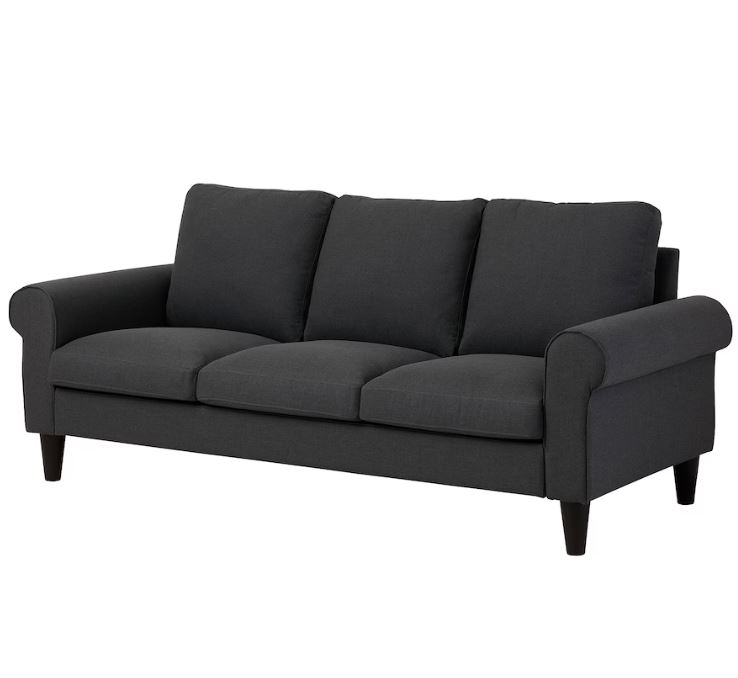
Your sofa is more than just a piece of furniture—it’s the centerpiece of your living room, a place to relax, entertain guests, and even a spot to nap after a long day. Over time, though, the wear and tear of daily use can cause your sofa upholstery to lose its charm. Whether your sofa is made from leather, fabric, or another material, proper care and maintenance are essential to ensure it stays looking fresh and comfortable for years to come.
In this blog post, we’ll walk you through the best practices for maintaining and caring for your sofa upholstery, helping you preserve its appearance and extend its life.
Regular Cleaning and Dusting
The first step to keeping your sofa upholstery in tip-top condition is regular cleaning. Dust, dirt, and crumbs can accumulate over time, dulling the fabric and even leading to stains. Here’s what you can do:
- Vacuum Weekly: Use the upholstery attachment on your vacuum to gently clean the fabric. Make sure to get into crevices, seams, and under the cushions where debris tends to accumulate.
- Brush Fabric Upholstery: For fabric sofas, use a soft brush to lift dirt and particles that may have settled into the fibers. This can help prevent buildup and preserve the texture of your upholstery.
- Avoid Over-Scrubbing: Whether you’re using a vacuum or a brush, avoid scrubbing too harshly. This could cause the fabric to lose its softness or even result in pilling over time.
Spot Cleaning Spills and Stains Immediately
Spills happen, and when they do, quick action is essential. Stains can set in and become much harder to remove if left untreated.
- For Fabric Upholstery: Use a clean, dry cloth to blot up as much of the spill as possible. Avoid rubbing, as this can push the stain deeper into the fabric. Then, apply a small amount of mild soap mixed with warm water and test it on a hidden part of the sofa first. If it doesn’t cause any discoloration, gently dab the affected area and blot with a clean cloth to remove moisture.
- For Leather Upholstery: Leather is more durable but still sensitive to spills. Quickly wipe up spills with a dry cloth. For stubborn stains, use a specially formulated leather cleaner. Avoid using harsh chemicals, as they can dry out and damage the leather.
Rotate Cushions Regularly
Cushions tend to take the brunt of the wear on any sofa. Regularly rotating and flipping cushions will ensure that they wear evenly, preventing one side from getting flattened or discolored faster than the other.
- Flip the Cushions: Every couple of weeks, flip and rotate your cushions. If your cushions have removable covers, wash them according to the manufacturer’s care instructions to keep them fresh.
- Check for Structural Support: In addition to rotating the cushions, inspect the sofa’s internal structure to make sure the frame and springs are still intact. If you notice sagging or discomfort, it may be time to call in a professional to check for repairs.
Protect Your Sofa from Sunlight and Heat
Direct sunlight and heat can cause severe damage to sofa upholstery over time, especially fabric and leather. The UV rays from the sun can cause the fabric to fade, while heat can dry out leather and make it crack. To minimize damage:
- Move Your Sofa Away from Direct Sunlight: If possible, position your sofa away from direct sunlight. You can also use curtains, blinds, or UV-protective window films to shield your sofa from harmful rays.
- Avoid Heat Sources: Keep your sofa away from radiators, space heaters, or fireplaces, as extreme heat can dry out upholstery, causing cracking in leather and weakening fabric fibers.
Use Fabric and Leather Conditioners
Just like your skin needs moisturizer, your sofa’s upholstery requires conditioning to maintain its softness and flexibility.
- Leather Conditioners: Leather can dry out over time, leading to cracks and fading. Regularly apply a high-quality leather conditioner every 3-6 months to keep it supple. Make sure to test the conditioner on an inconspicuous area first to ensure it doesn’t discolor or damage the leather.
- Fabric Upholstery: For fabric sofas, consider using a fabric protector or fabric refreshers to reduce staining and maintain freshness. These sprays create an invisible barrier that repels liquids and dirt, making it easier to clean up spills.
Professional Cleaning and Deep Maintenance
Even with regular cleaning and care, every sofa needs a deep clean from time to time to maintain its appearance and comfort.
- Steam Clean Fabric Upholstery: Steam cleaning is an excellent way to deep clean fabric upholstery, as it sanitizes the fabric and removes deep-seated dirt. Many professional cleaning services offer this as part of their upholstery cleaning packages.
- Professional Leather Cleaning: For leather upholstery, consider having it cleaned and conditioned by professionals who specialize in leather care. These experts can remove deep stains, restore the leather’s finish, and even repair minor cracks.
Protect Your Sofa from Pets and Children
If you have kids or pets, your sofa is likely to endure extra wear. Pets can scratch, dig, and shed fur, while children might spill food or drinks. To minimize damage:
- Use Slipcovers: Slipcovers are an affordable and practical solution to protect your upholstery from everyday damage. They can be easily removed and washed, giving your sofa an extra layer of protection.
- Invest in Pet-Proof Upholstery: If your pets are constantly on your sofa, consider choosing upholstery made from durable, pet-friendly fabrics. Materials like microfiber are resistant to stains and are much harder for pets to damage.
Address Issues Immediately
If you notice any issues with your sofa’s upholstery—such as loose seams, fraying, or sagging cushions—address them as soon as possible. Waiting too long could worsen the problem, leading to more costly repairs.
- Sew Small Tears: If you catch a tear or rip early, you can often repair it yourself with a needle and thread. However, for larger tears, it’s best to hire a professional upholsterer to ensure the damage is properly addressed.
- Check for Sagging Springs: If the seat feels uneven or saggy, it may be due to damaged springs or padding. This may require professional attention, but addressing the issue early on can prevent further deterioration.
Conclusion
Your sofa upholstery dubai, you can ensure that your sofa looks great and lasts for many years. Whether you’re dealing with fabric, leather, or synthetic materials, following these simple steps will help you preserve your sofa’s beauty and durability, making it a welcoming spot for relaxation and socializing.
