
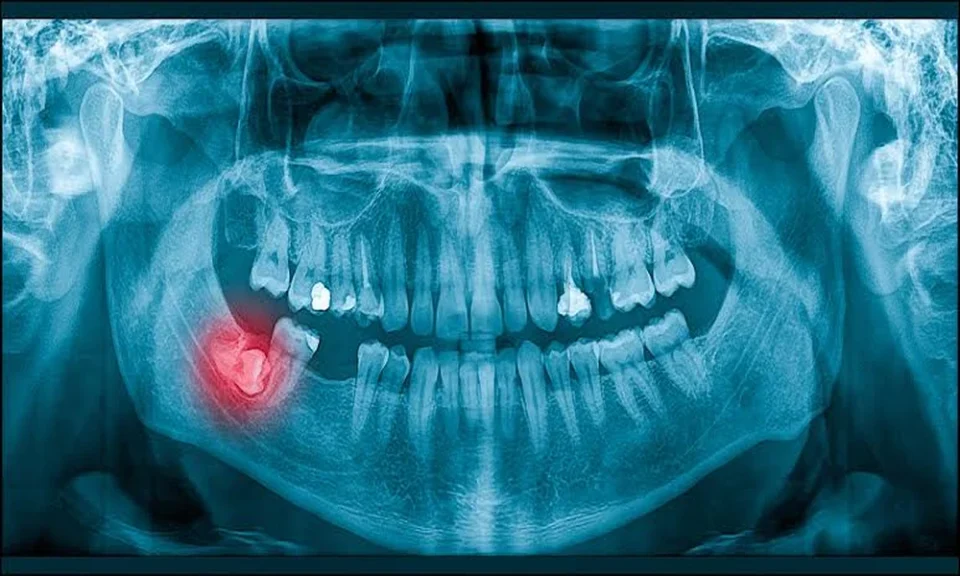
You bring your child in expecting a simple update on when the next tooth will come in, then the pediatric dentist at a kid-friendly dental office in Eagle Rock, CA studies the X ray a little longer than usual. That pause can make your stomach drop. Most parents are not worried about “eruption planning” until a radiograph shows something they could never see by looking in the mouth.
That is the hard part about children’s dental development. A smile can look normal on the surface while the teeth underneath are taking a very different path. A pediatric dental X ray can reveal why a baby tooth is not loosening, why a permanent tooth seems late, or why crowding is building earlier than expected. In plain terms, some X ray findings can change the timing of extractions, space maintenance, orthodontic referral, or simple watchful waiting.
The use of radiographs in children follows established guidance from the American Academy of Pediatric Dentistry radiographic recommendations and the ADA and FDA dental X ray selection criteria. That matters because the goal is not to take images routinely without a reason. The goal is to gather the information needed to protect growth, comfort, and long term alignment.
Delayed eruption on a pediatric dental X ray often points to a hidden blockage
One of the most common reasons an eruption plan changes is a blocked path. A permanent tooth may be ready to erupt, but an extra tooth, a retained baby tooth, thick bone, or an odd angle can stop it. If your child is “late” compared with siblings or classmates, that delay may not be random.
This is where 4 findings on a child dental X ray that may change an eruption plan becomes more than a technical topic. It becomes practical. If the X ray shows a baby tooth root that has not resorbed as expected, the pediatric dentist may recommend removing that baby tooth earlier. If there is a supernumerary tooth, the plan may shift toward referral and surgical timing before the permanent tooth drifts farther off course.
Waiting too long can make a simple correction harder. A tooth that starts out only slightly off track can become impacted, damage a nearby root, or create crowding that later needs more involved orthodontic care.
Missing, extra, or misdirected teeth can change timing and space decisions
Some children have congenitally missing teeth. Others have extra teeth. Some permanent teeth are present but pointed the wrong way. These findings matter because eruption is not just about whether a tooth exists. It is about whether there is enough room, whether the tooth is aimed properly, and whether nearby teeth are at risk.
A panoramic image may show that a lateral incisor never formed, which changes how space is preserved. It may also show an ectopic canine moving toward the root of another tooth. In that case, the eruption plan may include early orthodontic evaluation, selective removal of baby teeth, or close interval imaging. The AAPD guidance on prescribing dental radiographs for infants, children, and adolescents supports imaging based on individual risk and developmental need, which is exactly what these cases require.
This is one reason pediatric eruption X ray findings can influence treatment long before braces are even discussed. The right move at age seven can prevent a much bigger problem at age eleven.
Pathology and root changes can shift a routine eruption plan into active treatment
Sometimes the surprise is not the tooth position. It is the tissue around it. A cyst like lesion, infection, internal resorption, or severe decay affecting a baby tooth root can change the plan quickly. A baby tooth that looked “worth keeping a bit longer” may need removal if it is harming the permanent tooth developing beneath it.
Parents often feel blindsided here because the child may not complain much. Kids adapt. They chew on the other side, avoid cold drinks, or simply say nothing. The National Institute of Dental and Craniofacial Research notes that oral conditions in children can affect eating, sleeping, speaking, and school comfort, even when signs are missed at home. Their summary on oral conditions in children gives helpful context on how common dental issues can affect daily life.
When pathology appears on a radiograph, the eruption plan stops being only about timing. It becomes a health issue first, then a spacing and alignment issue second.
Crowding and lack of space often show up before parents can see them
A child can have straight looking front teeth and still be heading toward crowding underneath the gums. X rays can show permanent teeth that are larger than the available space, teeth that are overlapping before eruption, or molars drifting into the wrong position after early baby tooth loss.
This is where a pediatric dentist can decide whether to monitor, place a space maintainer, refer to an orthodontist, or adjust the timeline for removing certain baby teeth. Parents sometimes hear “we can watch this for now” and assume nothing is wrong. Often, that recommendation means the issue is real but stable enough to track safely. Other times, it means action now will save time, cost, and discomfort later.
Common X ray findings and how they may affect the eruption plan
| Finding on X ray | What it may mean | Possible change in eruption plan |
|---|---|---|
| Retained baby tooth or delayed root resorption | Permanent tooth is blocked or delayed | Monitor closely or remove the baby tooth earlier |
| Extra tooth or missing permanent tooth | Normal eruption path is disrupted | Space planning, referral, or surgical evaluation |
| Ectopic or impacted permanent tooth | Tooth is erupting in the wrong direction | Early interceptive treatment or orthodontic consultation |
| Cyst, infection, or root damage | Developing tooth or bone may be affected | Active treatment before eruption planning continues |
What you can do after a pediatric dentist reviews the X ray
Ask for the exact finding. “We’ll keep an eye on it” is not enough if you leave confused. Ask which tooth is involved, what the image shows, and what sign would trigger treatment instead of monitoring.
Get the timeline in writing. If the plan is to wait six months, ask what should happen by then. Should a baby tooth loosen, should a permanent tooth become visible, or should spacing stay stable. A clear timeline lowers stress and helps you catch delays early.
Follow through on referrals and recall visits. The best eruption plan only works if the next step happens on time. If your child is referred to an orthodontist or oral surgeon, delay can narrow options. If the advice is periodic monitoring, keep those visits. Dental radiographs are most useful when they are compared over time and used thoughtfully by a pediatric dentist.
If your child’s X ray changed the conversation, you are not overreacting by wanting answers. Hidden findings are common, and many are manageable when caught early. A clear diagnosis, the right timing, and steady follow up can keep a small eruption issue from turning into a larger one.
