
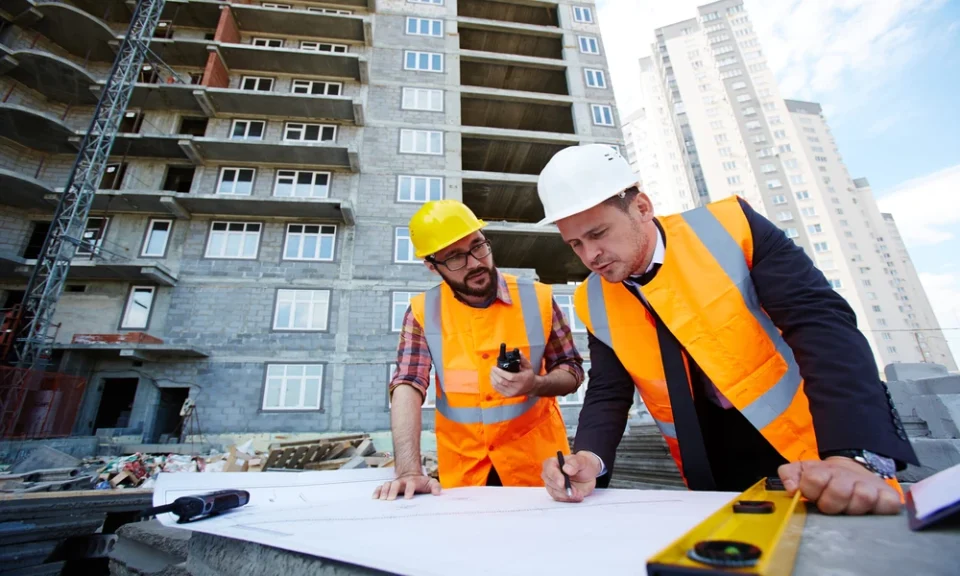
Every successful facility begins with a business purpose. Owners need spaces that protect budgets, support staff, impress customers, and remain useful long after opening day. A strong construction plan turns expectations into practical decisions before costs, schedules, or design details drift.
Project success also depends on how well teams connect design, field execution, vendor coordination, and owner communication. Portfolio examples across offices, restaurants, retail spaces, service centers, fitness studios, and public-use facilities show varied business needs. The best approach treats each building as a working asset, not a one-time structure. Read this article for better clarity.
Strategic Planning That Connects Design With Business Goals
Effective commercial construction starts with careful discovery. Owners, architects, construction managers, subcontractors, and suppliers need shared expectations around function, budget, phasing, materials, and long-term use. A retail renovation may demand customer flow and brand consistency, while an office expansion may require privacy, daylight, collaboration, and growth room.
Early planning should examine energy performance, security, maintenance access, durability, code needs, and aesthetic value. Those details shape operating costs and user experience after opening day. A thoughtful preconstruction process reduces guesswork and gives decision-makers confidence before field work begins.
Clear Communication Across Every Project Partner
Strong communication keeps a project moving with fewer surprises. It helps owners understand options, allows designers to resolve details faster, and gives subcontractors the information needed to sequence work correctly. Experts:
- Set one rhythm for meetings, updates, approvals, and change requests.
- Share budget impacts in plain language for quicker decisions.
- Keep vendors and trade partners aligned on lead times, site access, and installation dates.
- Record decisions promptly so the team avoids repeat conversations.
This approach matters because commercial projects bring together people with different priorities. A reliable communication structure keeps those priorities connected to the same outcome.
Practical Designs That Strengthen Daily Operations
A beautiful building can still fall short if it does not support how people actually work. Restaurants need efficient back-of-house layouts, durable finishes, and comfortable dining areas. Healthcare and professional offices need privacy, clean circulation, and a calm experience for visitors.
Practical design also respects future service needs. Mechanical access, storage, lighting, flooring, entry points, and maintenance routes deserve attention before construction begins. Smart choices at this stage help owners avoid costly fixes after occupancy.
Cost Control Through Timely, Coordinated Execution
Budget discipline is easier when the team manages scope, schedule, procurement, and field activity as one connected system. Delays in one area can affect labor, materials, inspections, and opening dates. Professionals:
- Confirm material availability before final selections are locked.
- Match phases with owner operations when renovations remain occupied.
- Review drawings for conflicts before trade work overlaps on site.
- Track allowances, alternates, and change orders clearly.
Cost control does not mean choosing the cheapest path. It means protecting value, limiting waste, and using resources where they improve performance.
Quality Standards That Protect Long-Term Value
Long-term project success depends on construction quality that can handle daily use. Commercial construction must account for heavy foot traffic, equipment demands, tenant needs, weather exposure, and customer expectations. Quality control should happen throughout the project, not just during final inspections.
Experienced teams look closely at workmanship, safety, material fit, finish durability, and owner turnover. They also consider how the completed space will support operations years from now. That mindset helps a project become a dependable business asset instead of a short-term improvement.
Commercial projects succeed when planning, communication, design, cost control, and quality work together. A strong process turns a building into a space that serves people, operations, and brand goals. Long-term value comes from smart decisions made before, during, and after construction.
